
Las Vegas Is Getting Older. Senior Living Is the Quiet Opportunity.
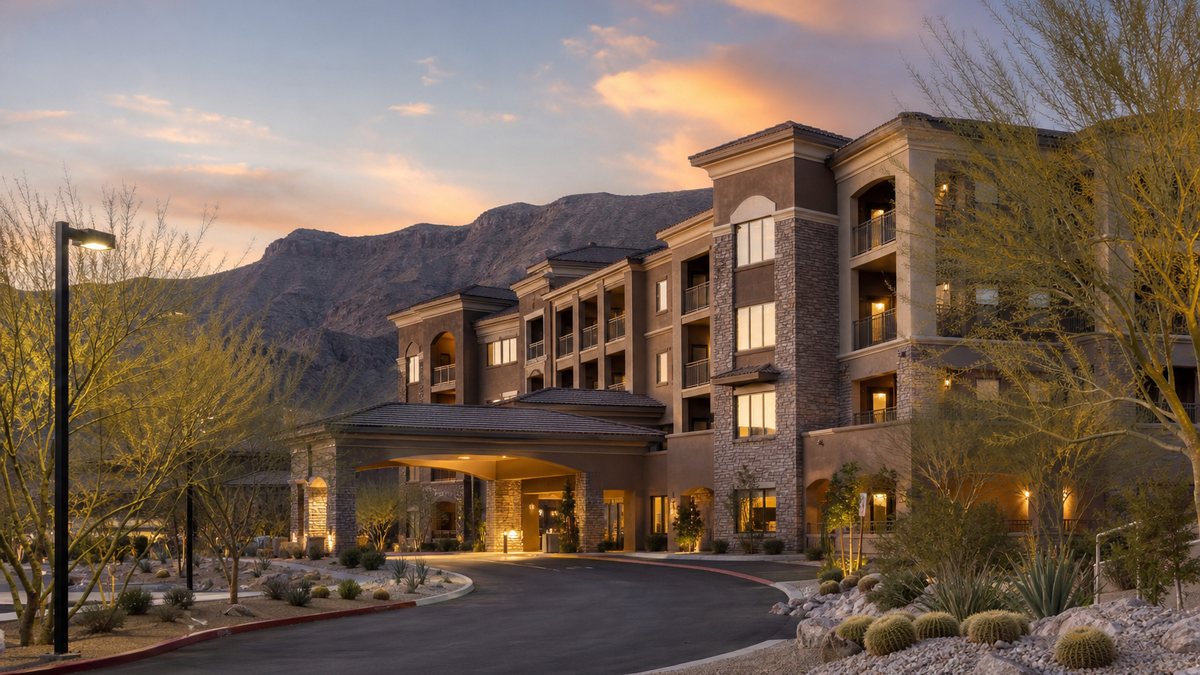
Most conversations about Las Vegas real estate start with the Strip: a new stadium, a resort rebrand, an arena race. Meanwhile, one of the most durable demand stories in Southern Nevada is happening quietly in the suburbs. Senior living and assisted living demand in Las Vegas is rising with the valley's aging population, while new supply across the country has slowed to a crawl.
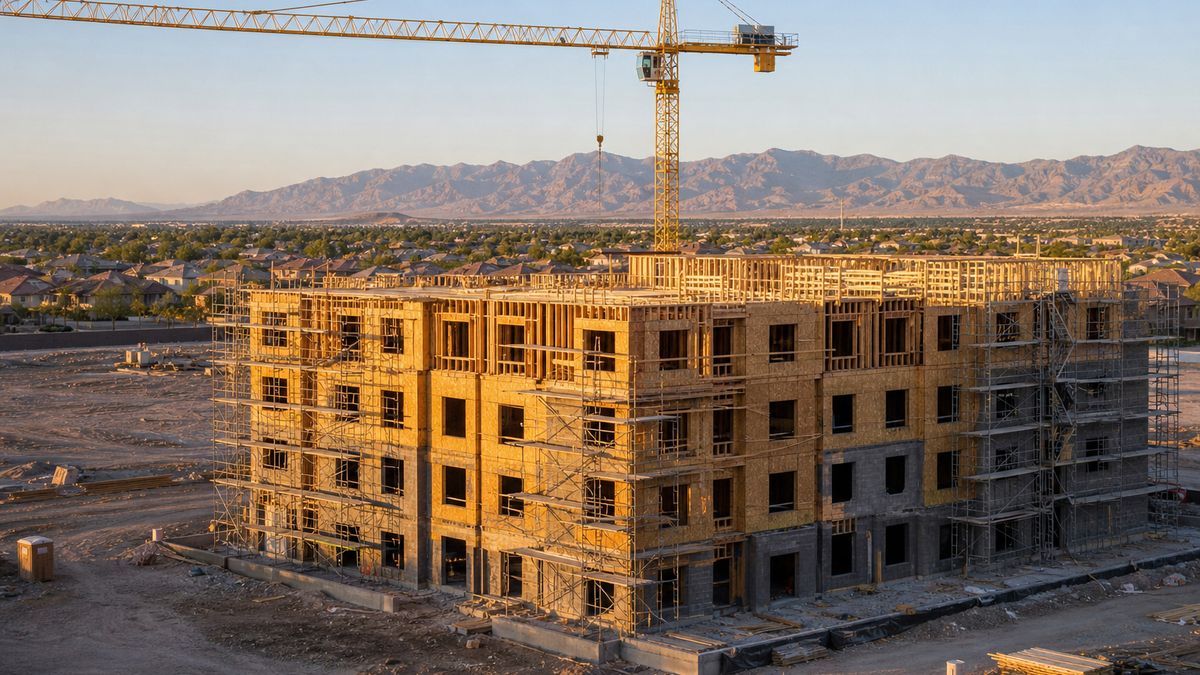
This one is personal for us. InTooWin has $2.5 million invested in a private assisted living community being built from the ground up, so we are not commenting from the sidelines. We have spent our careers building, operating and exiting ventures, and we have learned that the best opportunities are often the unglamorous ones: needs-based demand, limited supply and operators who know how to execute.
Here is our take on where senior living in Las Vegas stands, who is likely to win, who may be disappointed, and how we would approach it.
Demand is building faster than new supply nationally, and Las Vegas is starting to see serious developers and institutional buyers show up. The opportunity is real, but it belongs to operators and patient capital, not to anyone looking for a quick flip.
- The national picture: senior housing occupancy in the 31 largest U.S. markets reached 90.4% in Q3 2026, with inventory growing just 0.4% a year, according to NIC MAP.
- The local picture: new luxury projects in Henderson and Summerlin, affordable senior apartments in North Las Vegas and the northwest valley, and institutional buyers acquiring existing communities.
- Likely winners: experienced operators, owners of well-located existing communities, and developers who can deliver mid-market product.
- Likely disappointments: anyone underwriting senior living like apartments, or betting only on the luxury tier.
- Our view: the biggest gap is the middle market, and the winners will be decided by staffing, care quality and operations, not by the building alone.
Why senior living, and why now
Senior housing is a needs-based business. People move into assisted living or memory care because they need help with daily life, not because rates are attractive or a new amenity opened. That makes demand less sensitive to the tourism cycle than most Las Vegas real estate.
The national numbers explain why investors are paying attention. According to NIC MAP data reported by Senior Housing News, average occupancy across the 31 primary U.S. markets rose to 90.4% in the third quarter of 2026, up from 89.8% the quarter before. Assisted living occupancy reached 89.1% and independent living 91.7%. Sixteen of the 31 primary markets were at 90% or higher.
Supply is the other half of the story. New inventory grew just 0.4% year over year, near record lows. Walker & Dunlop's 2026 outlook put rolling four-quarter construction starts at about 5,100 units, compared with a long-term average of roughly 15,600. NIC MAP has estimated the U.S. could face a shortage of about 578,000 senior housing units by 2030 and more than one million by 2035 if building does not pick up.
| Indicator | Latest reported figure |
|---|---|
| Primary-market occupancy | 90.4% in Q3 2026 (NIC MAP, 31 primary markets) |
| Assisted living occupancy | 89.1% in Q3 2026, up from 88.3% the prior quarter |
| Inventory growth | 0.4% year over year, near record lows |
| Construction starts | About 5,100 units (rolling four quarters) vs. a long-term average near 15,600 |
| Projected shortage | About 578,000 units by 2030; more than 1 million by 2035 (NIC MAP) |
| Rent growth | 4.7% in Q2 2026; above 4% for 17 straight quarters (Walker & Dunlop) |
| Transaction volume | $32.2 billion over four quarters, up 74% year over year |
The industry has a name for this: a scarcity-driven cycle. Walker & Dunlop's outlook noted that buyers can acquire quality communities below replacement cost in most markets, and KKR's real estate president described senior housing as the firm's "highest conviction area" over the next three years.
When occupancy is rising, construction is near historic lows and big institutions are calling a sector their highest-conviction bet, the window for local, operator-led capital is open. It will not stay open forever. The question is not whether demand is coming; it is who can deliver beds and care in time.
What is happening in Las Vegas
Southern Nevada adds a growth layer on top of the national story. The Nevada State Demographer projects Clark County will grow from about 2.43 million residents in 2025 to about 2.54 million by 2030 and roughly 2.73 million by 2044. Census data compiled by Stacker showed about 14.8% of Clark County residents were 65 or older, a smaller share than many retirement markets, which means the aging curve here still has a long way to run. Years ago, the state demographer's office projected that residents 65 and older would reach about 18% of Nevada's population by 2034.
Pricing has moved fast too. CareScout's 2024 Cost of Care survey put Nevada's annual assisted living cost at $73,320, up 22% from 2023, versus $70,800 nationally. A Place for Mom data based on 2025 move-ins put the Nevada median for assisted living at about $5,928 a month, with memory care around $7,400 and independent living around $4,783.
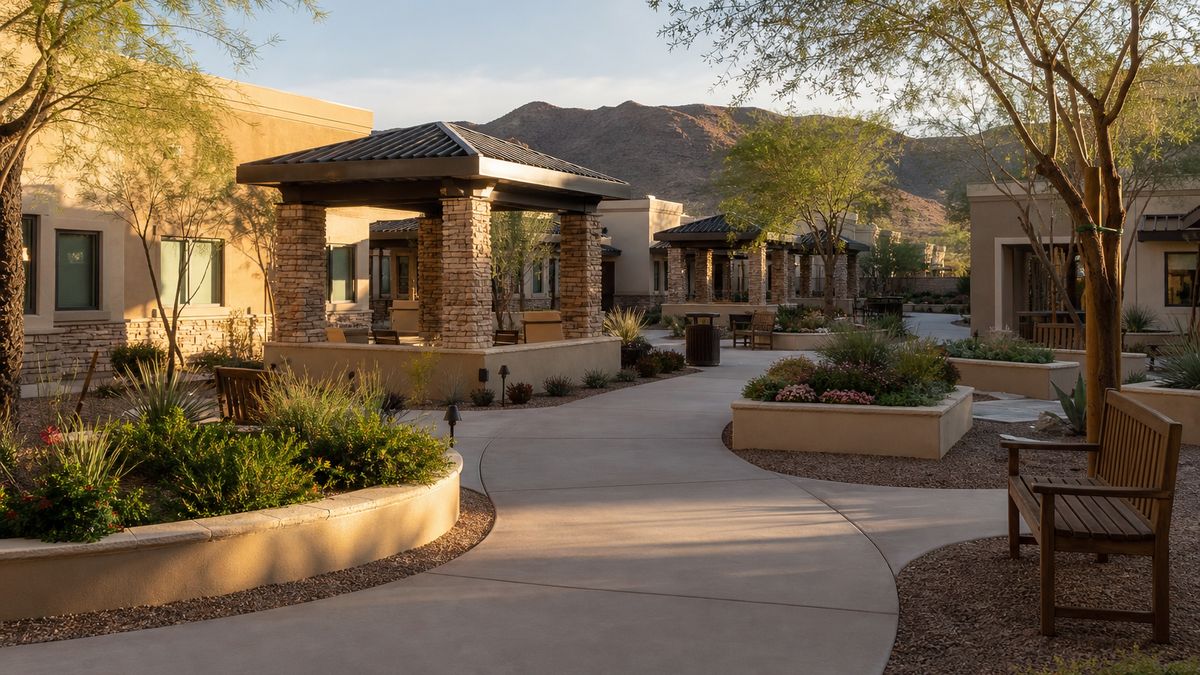
On the ground, the pipeline is a mix of luxury, mid-market acquisitions and affordable housing:
| Project | Where | What we know |
|---|---|---|
| Valara (Investcor) | Henderson, The District at Green Valley Ranch | 244-unit luxury community with independent living, assisted living and memory care; about $100 million; completion targeted around spring 2028 |
| Kisco Senior Living | Summerlin | Announced April 2026; independent living, assisted living and memory care on a rental basis with no buy-in; unit count not yet disclosed |
| The Grand at Southern Hills | Las Vegas | 174-unit community acquired in March 2026 by a Clarion Partners fund and Stellar Senior Living |
| MorningStar at The Canyons | Las Vegas | 168-unit community delivered in 2024; sold by its developers in September 2026 |
| PuraVida Senior Living | North Las Vegas | 74 affordable units for low-income seniors (Foresight Housing Partners with HopeLink); completion scheduled for fall 2026 |
| Northwest senior apartments | Hickam Ave. & Jordanville St. | 282-unit senior apartment complex approved by the City of Las Vegas on 15 acres of federal land |
Two patterns stand out. First, national names are now treating Las Vegas as a destination market: a luxury developer in Henderson, a well-known operator in Summerlin, an institutional fund buying an existing community. Second, the new product clusters at the two ends of the market: luxury rental communities on one side and subsidized affordable apartments on the other.
The luxury tier and the subsidized tier are both getting attention. The middle market, middle-income seniors who cannot afford luxury rents and do not qualify for subsidies, is where we see the biggest unmet need in Las Vegas. It is harder to build for, which is exactly why it is under-served.
Who wins
1. Experienced operators
In senior living, the operator is the business. Occupancy, reputation, staffing and care quality all come down to how a community is run every day. Operators with a track record, regional density and good staff retention will have their pick of capital partners in this cycle.
2. Owners of well-located existing communities
When new construction is scarce, existing buildings gain value. The March and September 2026 transactions show institutional buyers are willing to pay for stabilized or near-stabilized communities in the valley, particularly where they can add value through renovation or better operations.
3. Developers who can deliver the middle
A developer who can build efficient assisted living and memory care at a price point local families can afford will find deep demand. That takes discipline on design, land cost and construction, plus an operating plan built for real staffing costs.
4. Healthcare and service businesses around seniors
Home health, therapy, pharmacy, transportation, food service, staffing agencies and medical office space near senior communities all grow with this population. Many of these businesses scale more easily than the real estate itself.
5. Master-planned communities
Places like Summerlin and Henderson, which already attract retirees and adult children who want parents nearby, are natural homes for senior living. Families tend to choose communities within a short drive of where they live.
Who may be disappointed
- Investors who underwrite it like apartments: senior living is an operating business with real estate attached. Labor is the largest expense, regulation is heavy, and a bad operator can sink a good building.
- Luxury-only bets: high-end rental communities can do well, but they compete for a narrower slice of households. If several open in the same few years, lease-up could take longer than projected.
- Anyone expecting a fast lease-up: new communities typically take time to fill, and assisted living and memory care need staff hired and trained before residents arrive. Carrying costs during lease-up can be painful.
- Families counting on public programs: Nevada's Medicaid waiver for the frail elderly can pay for care services in assisted living but not room and board, and it is capped at roughly 4,419 beneficiaries per year, according to Medicaid Planning Assistance. Many middle-income families fall into the gap between private pay and public support.
Looking at a senior living or healthcare real estate opportunity?
We are active investors in assisted living development. We help investors, landowners and operators pressure-test deals, structure partnerships and plan execution.
Where we see opportunity
Mid-market assisted living and memory care
The demand is clearest for needs-based care, not lifestyle amenities. Smaller, efficient communities with strong care programs, located where families already live, can serve the middle of the market. Memory care in particular commands higher rates and has fewer alternatives for families.
Buying and repositioning older communities
NIC MAP has noted that more than two in five existing senior housing units are over 25 years old. Older Las Vegas communities with good locations and tired interiors can be renovated and re-operated for less than the cost of building new, especially when buyers can acquire below replacement cost.
Joint ventures between operators and private capital
Many good operators lack equity; many investors lack operating expertise. The joint venture that brings both together, with aligned incentives and clear governance, is the structure we believe fits this market best. This is how we approach our own assisted living investment.
Land for future senior use
Las Vegas is running short of developable land, and senior communities want infill or near-infill sites close to hospitals, shopping and family. Well-located parcels zoned or zone-able for senior housing are worth identifying early.
Services that support aging in place
Not every senior will move into a community. Home care, adult day programs and care-coordination businesses serve a much larger population and can scale alongside the real estate.

The risks we'd watch
- Labor: caregivers, nurses and medication technicians are hard to hire and keep. Wages compete with a hospitality industry that is always hiring. Staffing is the single biggest operating risk.
- Construction costs and financing: high construction and borrowing costs are why national starts fell so far. A project that pencils at one interest rate can break at another.
- Licensing and regulation: assisted living and memory care in Nevada are licensed and inspected by the state. Timelines for licensing, staffing ratios and compliance need to be built into the schedule.
- Lease-up and concentration: several new luxury communities opening near the same submarkets around the same time could compete for the same residents and staff.
- Affordability: rate increases have been strong, but families have limits. With Nevada assisted living costs rising 22% in one year by one survey, pricing power will eventually meet resistance.
- Heat and resilience: in the Mojave Desert, cooling, backup power and emergency plans are life-safety issues, not amenities. They add to cost and must be done right.
- Reputation: in a needs-based business, one serious care failure can damage occupancy for years. Quality has to be designed into the operation from day one.
How we would approach it
Here is the framework we use when we look at a senior living opportunity in Southern Nevada:
- Start with the operator, not the building. Choose a partner with a track record in the care levels you plan to offer, and align their incentives with long-term occupancy and quality.
- Underwrite labor first. Build the staffing plan, wages and turnover assumptions before anything else. If the numbers only work with optimistic staffing, they do not work.
- Target the middle where possible. Design for the households that need care and can pay for it, not just the top tier.
- Be conservative on lease-up. Budget for a slower fill and carry enough reserves to get through it.
- Consider existing assets. Compare the cost of building new with buying and repositioning an older community. In this cycle, the existing building often wins.
- Structure for staying power. Use joint ventures, staged commitments and sensible leverage so the investment can survive a slower year without a forced sale.
The bottom line
Senior living is not the flashiest story in Las Vegas, and that is part of its appeal. Demand comes from demographics, not tourism. Supply is constrained nationally. Institutional capital is arriving. And the gap in the middle of the market is wide open for developers and operators who can execute.
But this is an operating business first. The investors who do well will be the ones who respect the care side of the equation, partner with strong operators and structure their deals for the long haul. That is how we are approaching our own assisted living investment, and we would be glad to compare notes with anyone weighing an opportunity in this space. You can also read our view on Las Vegas housing affordability and the UNLV medical district, both of which shape where senior care gets built.
Frequently Asked Questions
Is there strong demand for assisted living in Las Vegas?
How much does assisted living cost in Las Vegas?
What new senior living projects are planned in Las Vegas?
Why is so little senior housing being built nationally?
Is senior living a good investment in Las Vegas?
What is the difference between independent living, assisted living and memory care?
Does Nevada Medicaid pay for assisted living?
Where in the Las Vegas valley is senior living demand strongest?
What are the biggest risks in senior living development?
Does InTooWin invest in senior living?
Talk to InTooWin about your next deal
Direct principals, not middlemen. We bring capital relationships, deal structure and hands-on execution to senior living, real estate and operating businesses.
Sources
- Senior Housing News — Q3 2026 NIC MAP occupancy and inventory (Oct 1, 2026)
- Senior Housing News — scarcity-driven cycle, Walker & Dunlop outlook (Oct 28, 2026)
- CRE Daily — NIC MAP: senior housing shortage could top 1M units by 2035 (Aug 2026)
- Nevada State Demographer — County Population Projections 2025 to 2044
- Stacker — Counties with the most seniors in Nevada (Census data)
- Bloomberg via Al Jazeera — Surge of senior citizens is changing Nevada's economy (2020)
- CareScout — 2024 Cost of Care survey, Nevada
- Stacker / A Place for Mom — Costs of senior living in Nevada (Apr 2026)
- Las Vegas Review-Journal — Luxury senior housing project in Henderson (Valara)
- REBusiness — Investcor plans 244-unit Valara (Dec 2025)
- REBusiness — Kisco Senior Living plans Summerlin community (Apr 2026)
- Seniors Housing Business — Nevada transactions (The Grand at Southern Hills, MorningStar at The Canyons)
- Las Vegas Review-Journal — PuraVida Senior Living breaks ground in North Las Vegas
- 8 News Now — Senior housing approved in the northwest valley
- Medicaid Planning Assistance — Nevada Frail Elderly waiver (2026)
Related
This article is commentary and opinion based on publicly reported information as of November 2026. It is not investment, legal or financial advice. Project details, costs, occupancy and timelines may change; verify current information before making decisions. Images are AI-generated illustrations, not official renderings or photos of any project mentioned.